West Palm Beach Weather Guide: Best Times to Fish & Dive
%2Ffit-in%2F300x300%2Fusers%2F7402ab04-2209-4e64-a9af-d972d7468491%2Fprofile%2F1.webp&w=128&q=75)
Secondchance Adventure LLC · Florida, United States
 Published: Sep 17, 2026
 6 min read
West Palm Beach Weather Guide: Best Times to Fish and Dive Year-Round
South Florida's subtropical climate creates distinct fishing and diving windows that can make or break your water adventure. Understanding West Palm Beach weather patterns gives you a serious advantage whether you're targeting mahi offshore or exploring the coral reefs. The city's position along the Gulf Stream creates unique conditions that shift dramatically throughout the year, affecting everything from water temperature to fish behavior.
Spring Weather Patterns (March-May)
Spring delivers some of the most consistent conditions for both fishing and diving. Water temperatures climb from the mid-70s in March to the low 80s by May, while trade winds typically stay under 15 knots. This season marks the beginning of the dolphin run, with mahi-mahi moving through the Gulf Stream in massive schools.
Rainfall remains minimal during spring months, averaging just 3-4 inches per month. The lack of afternoon thunderstorms means longer weather windows for offshore trips. Visibility underwater often exceeds 80 feet during this period, making it prime time for photographers and new divers alike.
Summer Season Dynamics (June-August)
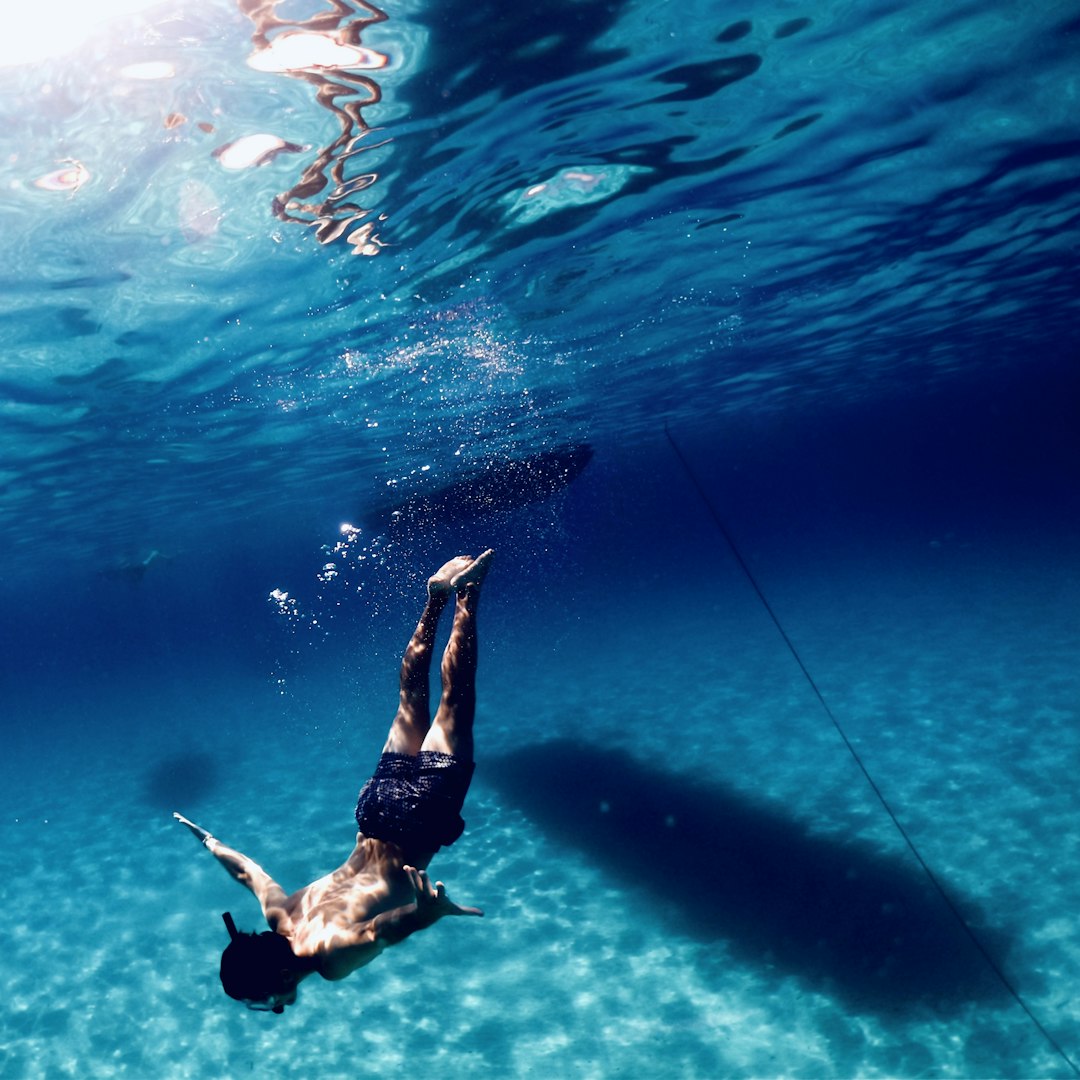
Summer brings the warmest water temperatures of the year, reaching 84-86°F by July and August. These conditions attract pelagic species like sailfish, wahoo, and blackfin tuna to the area. However, the West Palm Beach weather during summer also includes daily afternoon thunderstorms that typically roll through between 2-4 PM.
Smart captains schedule morning departures to avoid these predictable storms. The storms usually pass quickly, but they can create dangerous conditions with lightning and sudden wind shifts. Water visibility may drop slightly due to increased plankton activity, but the fish feeding activity more than compensates.
Hurricane Season Considerations (June-November)
Hurricane season overlaps with some of the best fishing months, creating a complex planning scenario. While direct hits remain statistically rare, tropical systems can generate large swells and dangerous conditions days before arrival. The Atlantic hurricane season peaks in September, when sea surface temperatures reach their annual maximum.
Experienced anglers monitor weather forecasts 5-7 days out during this period. Even distant storms can create unsafe bar conditions at local inlets. The upside? Post-storm fishing can be phenomenal as baitfish get scattered and predators feed aggressively.
Fall Transition Period (September-November)
Fall represents a sweet spot for many species as water temperatures gradually cool from summer highs. The climate in West Palm Beach Florida during fall still supports comfortable diving conditions, with water temps in the low 80s through October. Sailfish begin their winter migration, creating world-class light tackle opportunities.
October and November typically see reduced storm activity compared to peak hurricane months. Northeast winds become more frequent, which can create choppy conditions but also pushes baitfish closer to shore. This concentrates predator fish along the reef line and nearshore structures.
Winter Weather Windows (December-February)
Winter brings the most variable conditions to South Florida waters. Cold fronts sweep through regularly, creating dramatic temperature swings and wind direction changes. Water temperatures can drop into the low 70s during strong fronts, which triggers different fish behavior patterns.
The period between fronts often provides glass-calm conditions perfect for diving. Visibility reaches its annual peak during winter months, sometimes exceeding 100 feet on the outer reefs. Sailfish fishing hits its stride during this period, with the annual migration bringing hundreds of fish through local waters.
Planning becomes crucial during winter months. A strong front can shut down offshore fishing for 3-4 days, but the weather windows between systems offer some of the year's best conditions. Ready to experience these prime conditions firsthand? Contact our experienced captains to plan your trip around optimal weather windows.
Monthly Water Temperature Guide
Water temperature drives fish behavior more than any other factor. January and February see the coolest temperatures at 72-75°F, perfect for sailfish and kingfish. Spring warming begins in March, climbing steadily through summer's peak of 84-86°F in July and August.
These temperature changes affect diving comfort and marine life activity. Wetsuit thickness requirements vary from 3mm in summer to 5mm during winter months. The temperature gradient also influences current strength and direction along the reef systems.
Wind Patterns and Their Impact
Prevailing winds shift seasonally, creating different challenges for water sports enthusiasts. Summer's typical southeast winds at 10-15 knots create manageable seas for most activities. Winter northeast winds can build larger waves but often bring clearer water conditions.
Understanding local wind patterns helps predict sea conditions 24-48 hours in advance. East winds typically flatten seas close to shore, while west winds can create choppy nearshore conditions even when offshore stays calm. These patterns significantly impact both fishing success and diving comfort levels.
Mastering West Palm Beach weather patterns transforms good days on the water into great ones. Each season offers unique advantages whether you're chasing pelagic species offshore or exploring coral formations along the reef. The key lies in matching your expectations to seasonal conditions and maintaining flexibility when Mother Nature throws curveballs. Book your next adventure with local experts who understand these patterns intimately and can maximize your time on the water.