Secondchance Adventure LLC
//users/7402ab04-2209-4e64-a9af-d972d7468491/ratecard/5bf03739-015f-41c3-9168-66c08dfe7f2a.png)
%2Ffit-in%2F300x300%2Fusers%2F7402ab04-2209-4e64-a9af-d972d7468491%2Fratecard%2F5bf03739-015f-41c3-9168-66c08dfe7f2a.png&w=256&q=75)
%2F300x300%2Fusers%2F7402ab04-2209-4e64-a9af-d972d7468491%2Fimages%2Fbest-water-sports-adventure-fl-2298.jpg&w=256&q=75)
%2F300x300%2Fusers%2F7402ab04-2209-4e64-a9af-d972d7468491%2Fimages%2Fwest-palm-beach-water-sports-2318.jpg&w=256&q=75)
%2F300x300%2Fusers%2Fe22a90b6-aa45-454b-b146-1c1af73476d8%2Fimages%2Ftropical-fish-zapata-underwater-swimming-6145.png&w=256&q=75)
%2F300x300%2Fusers%2Fe22a90b6-aa45-454b-b146-1c1af73476d8%2Fimages%2Fred-snapper-catch-zapata-fishing-7483.png&w=256&q=75)
%2F300x300%2Fusers%2F7402ab04-2209-4e64-a9af-d972d7468491%2Fimages%2Frainbow-trout-west-palm-beach-2348.png&w=256&q=75)
%2F300x300%2Fusers%2F7402ab04-2209-4e64-a9af-d972d7468491%2Fimages%2Ffresh-catch-west-palm-beach-2608.png&w=256&q=75)
%2F300x300%2Fusers%2F7402ab04-2209-4e64-a9af-d972d7468491%2Fimages%2Fwest-palm-beach-fishing-catch-2573.png&w=256&q=75)
%2F300x300%2Fusers%2F7402ab04-2209-4e64-a9af-d972d7468491%2Fimages%2Ffresh-catch-west-palm-beach-2242.png&w=256&q=75)
%2F300x300%2Fusers%2F7402ab04-2209-4e64-a9af-d972d7468491%2Fimages%2Fwest-palm-beach-rainbow-trout-2329.png&w=256&q=75)
%2F300x300%2Fusers%2F7402ab04-2209-4e64-a9af-d972d7468491%2Fimages%2Fgoldfish-catch-west-palm-beach-2192.png&w=256&q=75)
BS QR Wreck Diving | Second Chance Charters
 Florida, United States
What you will be catching:
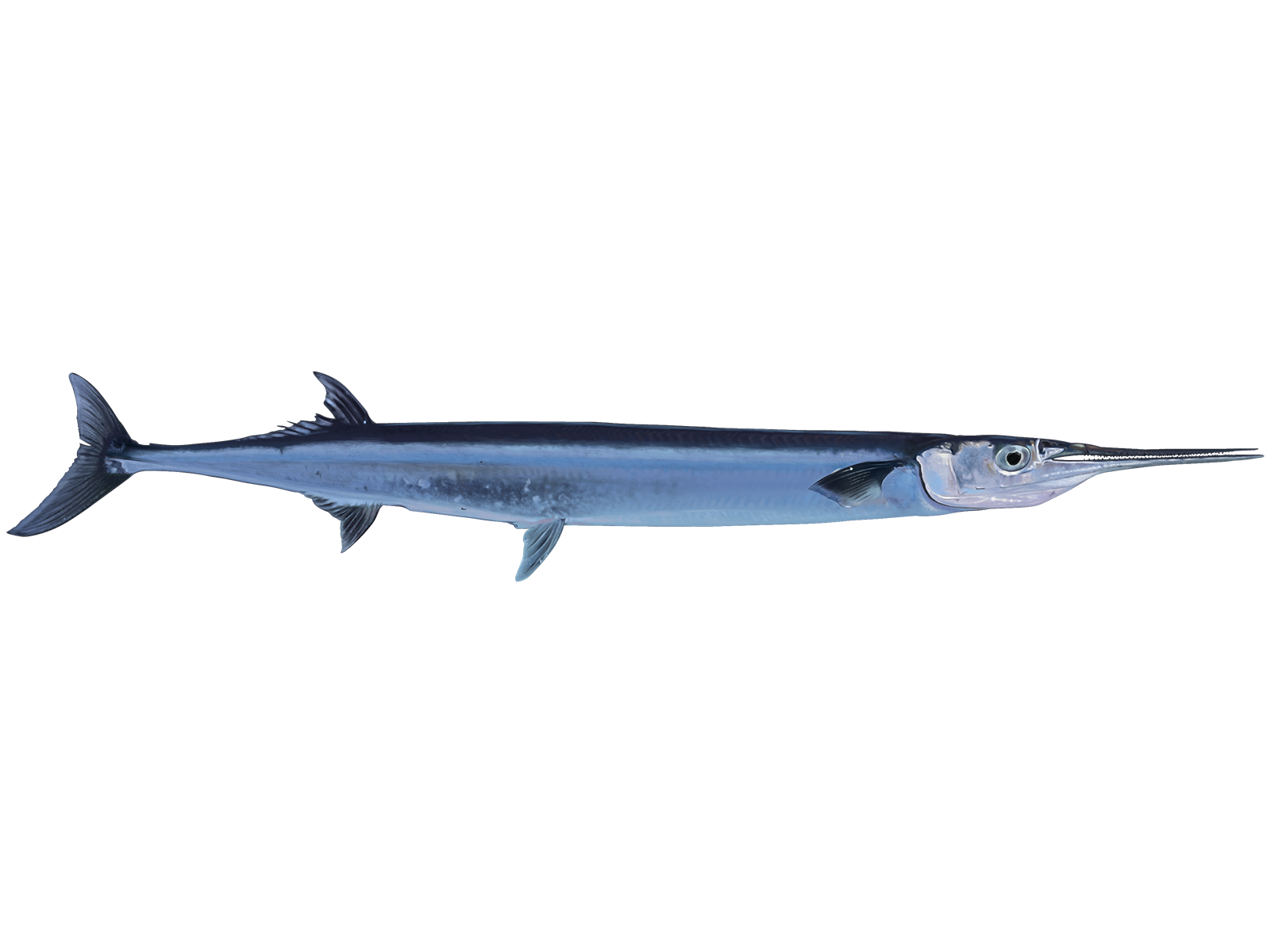 Agujon Needlefish
 Apache Trout
 American Gizzard Shad
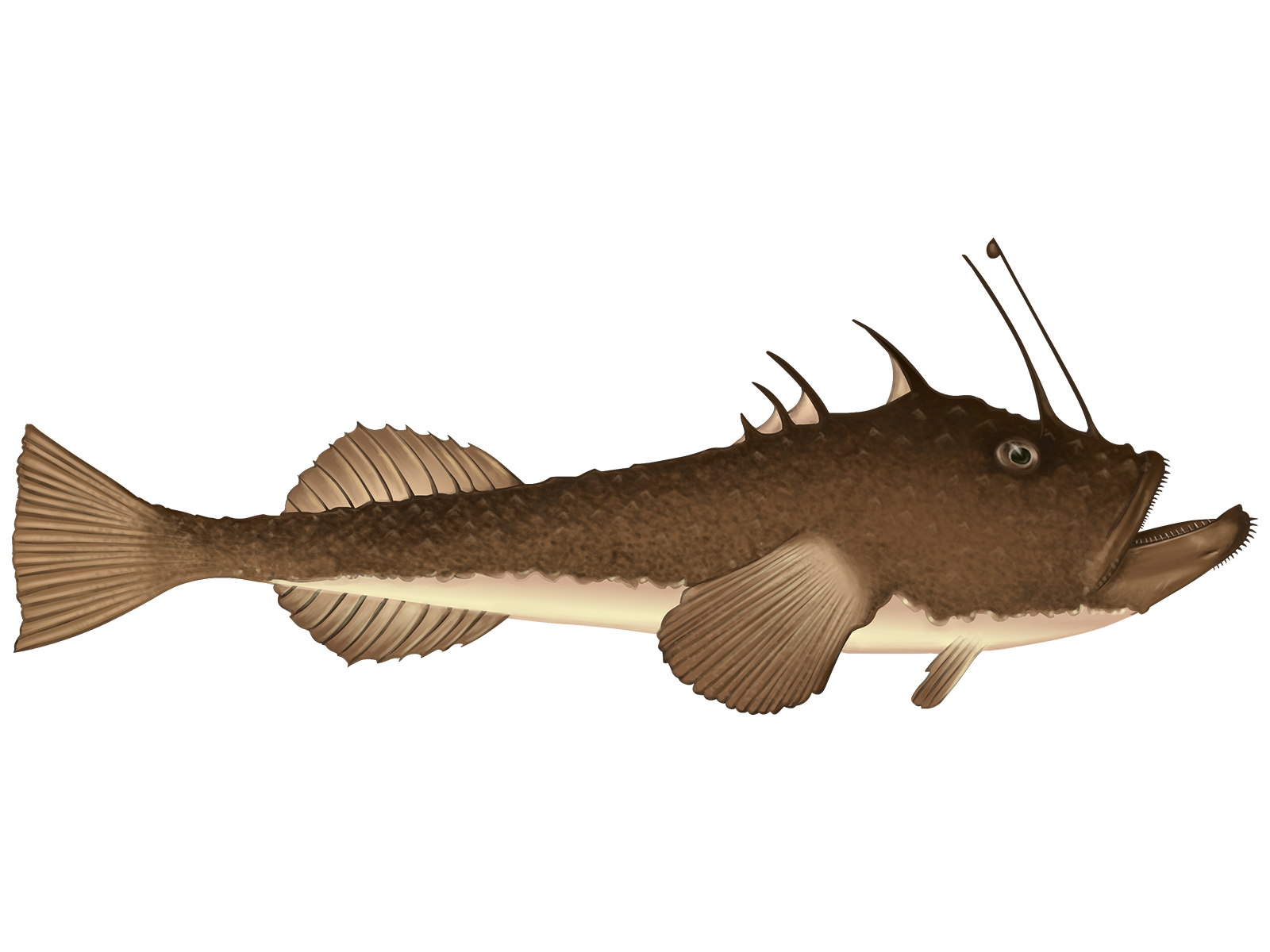 American Angler
- Solo boating adventure with personalized water sports experience
- Single guest capacity ensures intimate and focused activity
- Professional water sports guidance from Secondchance Adventure LLC
Trip Pricing and Availabilities :
BS QR 1 - Intimate Boating Adventure
Looking for a personal boating experience that puts you right in the action? This solo adventure is perfect for anglers who want to focus on their technique without the distraction of a crowd. With just you and your captain, you'll have the flexibility to chase the bite wherever it takes you. Whether you're a seasoned angler looking to dial in your skills or someone who prefers the peace of having the boat to yourself, this intimate setup delivers results. We're talking serious one-on-one time on the water, where every cast counts and every hookup gets the attention it deserves.
What to Expect on the Water
This isn't your typical party boat situation. With a guest capacity of just one, you're getting a completely customized experience tailored to your fishing goals. Your captain will work closely with you to read the water, adjust techniques on the fly, and position the boat for optimal casting opportunities. The intimate setting means you can ask questions, learn new approaches, and really understand what's happening beneath the surface. No waiting for your turn at the rail, no competing for the best spots - it's all yours. The boat setup is designed for efficiency and comfort, giving you easy access to all the gear you need while maintaining excellent mobility around the deck. This top-rated format has become a customer favorite among serious anglers who value quality time over quantity of people.
Techniques & Tackle Setup
With four distinct target species in our sights, we'll be switching up techniques throughout the day to match what's biting. The boat comes rigged with versatile tackle systems that can handle everything from delicate presentations to more aggressive approaches. We'll start by reading water conditions and adjusting our game plan accordingly - maybe beginning with lighter tackle for finesse work, then transitioning to heavier setups if the action calls for it. Your captain knows these waters inside and out, so expect to learn about structure, current breaks, and seasonal patterns that make all the difference. The beauty of this single-angler format is that we can spend time perfecting your technique rather than just putting lines in the water. Whether you're working on your casting accuracy, learning to read fish behavior, or mastering new presentation styles, there's no rush and no pressure from other guests.
Target Species Breakdown
The Agujon Needlefish is one of those species that gets your heart racing the moment you see that distinctive long bill break the surface. These sleek predators are incredibly fast and put up a fight that's way bigger than their size suggests. They're most active during dawn and dusk periods, often found near structure or current edges where they ambush smaller baitfish. What makes them so exciting is their unpredictable nature - one minute they're cruising calmly, the next they're launching out of the water in spectacular fashion. Their needle-like bills require careful handling, but the reward is worth it when you see that silver streak cutting through the water.
American Angler might not win any beauty contests, but this bottom-dwelling species offers some of the most interesting fishing you'll encounter. These masters of camouflage sit motionless on the seafloor, waiting to ambush anything that swims too close. They're active year-round but tend to be most responsive during cooler months when they're feeding heavily. The thrill comes from their surprise factor - you might think you're snagged on bottom structure until that "rock" suddenly comes alive. Their oversized mouths can engulf prey much larger than you'd expect, making them both fascinating and slightly intimidating to handle.
American Gizzard Shad represents the backbone of the local food chain, and targeting them can lead to some of the most consistent action on the water. These schooling fish move in large groups, creating feeding frenzies that attract bigger predators. They're most active during spring and fall migrations, when massive schools move through the area. While they might not be the biggest fighters individually, the sheer numbers and constant action make for exciting fishing. Plus, where you find gizzard shad, you'll often find the larger species that feed on them - making them excellent indicator fish for what else might be lurking nearby.
Apache Trout brings a unique element to this mix, being one of the more challenging species to locate and catch. These native fish are incredibly sensitive to water conditions and tend to be found in specific habitat areas that require local knowledge to access effectively. They're most active during cooler parts of the day and respond best to natural presentations that mimic their preferred food sources. The excitement comes from their rarity and the skill required to consistently catch them. When you do connect with an Apache Trout, you're experiencing something truly special - a connection to the local ecosystem that few anglers get to appreciate.
Why This Trip Delivers
The single-guest format creates an experience that's impossible to replicate on larger boats. You're getting undivided attention from your captain, personalized instruction, and the flexibility to adapt the trip based on conditions and your interests. This world-class setup has produced countless memorable days on the water for anglers who want more than just a generic fishing trip. The combination of diverse target species means there's always something to keep you engaged, whether the bite is hot or we need to switch tactics. No meals are included, which gives you the freedom to bring exactly what you want or extend the trip without worrying about preset meal times. This trending format appeals to serious anglers who understand that the best fishing experiences come from quality, not quantity. Book your spot for a boating adventure that's designed around you, your goals, and your timeline. The fish are waiting, and with this personalized approach, you'll have every advantage to make it a day worth remembering.
Learn more about the species
Agujon Needlefish
These sleek predators run 18-35 inches with that distinctive long, pointed beak packed with sharp teeth. You'll spot them cruising shallow waters and surface areas, especially around reefs where they hunt small fish and zooplankton. Their dark blue backs and silver sides with that blue stripe make them easy to identify. What makes them fun to target is their aggressive feeding - they'll hit lures hard, but here's the trick: use shiny spoons or jerkbaits with tail hooks since they're notorious for mouthing bait without getting hooked. Give a sharp jerk to set the hook, then be patient - they're smart enough to drop the bait if they feel too much pressure. Handle with care when boating them - that beak can do damage. Most folks catch and release since the meat has an unusual green color, but the fight is what keeps anglers coming back.

Apache Trout
Arizona's state fish is a real prize - these golden beauties with distinctive black eye stripes average 12-23 inches and fight like their rainbow cousins. They're only found in high-elevation streams and lakes in eastern Arizona's White Mountains, preferring cold, oxygen-rich water around rock pockets and drop-offs. Spring spawning season offers the best action when they're most aggressive. What draws anglers is the combination of their rarity and solid fight - plus you're fishing some of Arizona's most scenic country. They'll take the same tactics that work for rainbows: small nymphs, wet flies, spinners, and spoons. Size 14-18 hooks work best with light line since they're pretty spooky. My go-to trick is using wet flies during the day rather than dry - they seem to respond better when the fly's down in the water column. Remember to check regulations since some waters require special permits and have specific seasons.

American Gizzard Shad
These silvery baitfish run 8-14 inches and swim in schools throughout large lakes, reservoirs, and rivers with soft bottoms. They're not really a target species for eating - most folks use them as cut or live bait for bass, walleye, catfish, and stripers. What makes them valuable is that strong fishy smell that drives gamefish crazy. You'll find them year-round, but they're easiest to catch in warmer months when they're more active near the surface. Their small, toothless mouths mean they eat plankton and algae, so traditional baits don't work well. Best bet is a cast net to grab several at once, or try a flasher rig with small hooks if you're using rod and reel. Here's the key: look for schools dimpling the surface in early morning or evening. Once you find them, you can usually load up quickly since they travel in big groups.

American Angler
This bottom-dwelling oddball grows around 39 inches and can hit 26 pounds, though monsters over 70 pounds have been caught. They're ambush predators that bury themselves in sand and mud on soft bottoms, usually in waters over 1,200 feet deep. What makes them fascinating is how they "walk" using their pectoral fins and use the spines on their head to fool prey into thinking they're something harmless. The meat is actually white and firm when cooked, similar to monkfish. For the best shot at one, drop big live baits like mackerel, herring, or squid right to the bottom and drag slowly across the seafloor. They'll grab it and fight hard to keep it. Pro tip: once you feel the hit, let them run with it a bit before setting the hook - they need time to fully commit. Just watch those massive jaws when bringing them aboard.
